STP × Richard Petty · 1972–2000
Petty Blue, Day-Glo red and a $250,000 handshake
In 1972 Richard Petty nearly walked out on the biggest sponsorship offer NASCAR had seen, over the color of his car. The compromise became one of the most famous paint schemes in racing, and a partnership that lasted nearly three decades.
SponsorLane · September 29, 2026 · 3 min read
Early in 1972, Richard Petty sat in STP's Chicago office across from the company's chairman, Andy Granatelli. The offer on the table was $250,000, in a contract that would last as long as Petty drove. Nobody in stock car racing had seen a deal like it.
Petty turned it down.
“I guess I wasn't too bright to say no… We had nothing, no sponsorship, and I was turning down $250,000.”
The color standoff
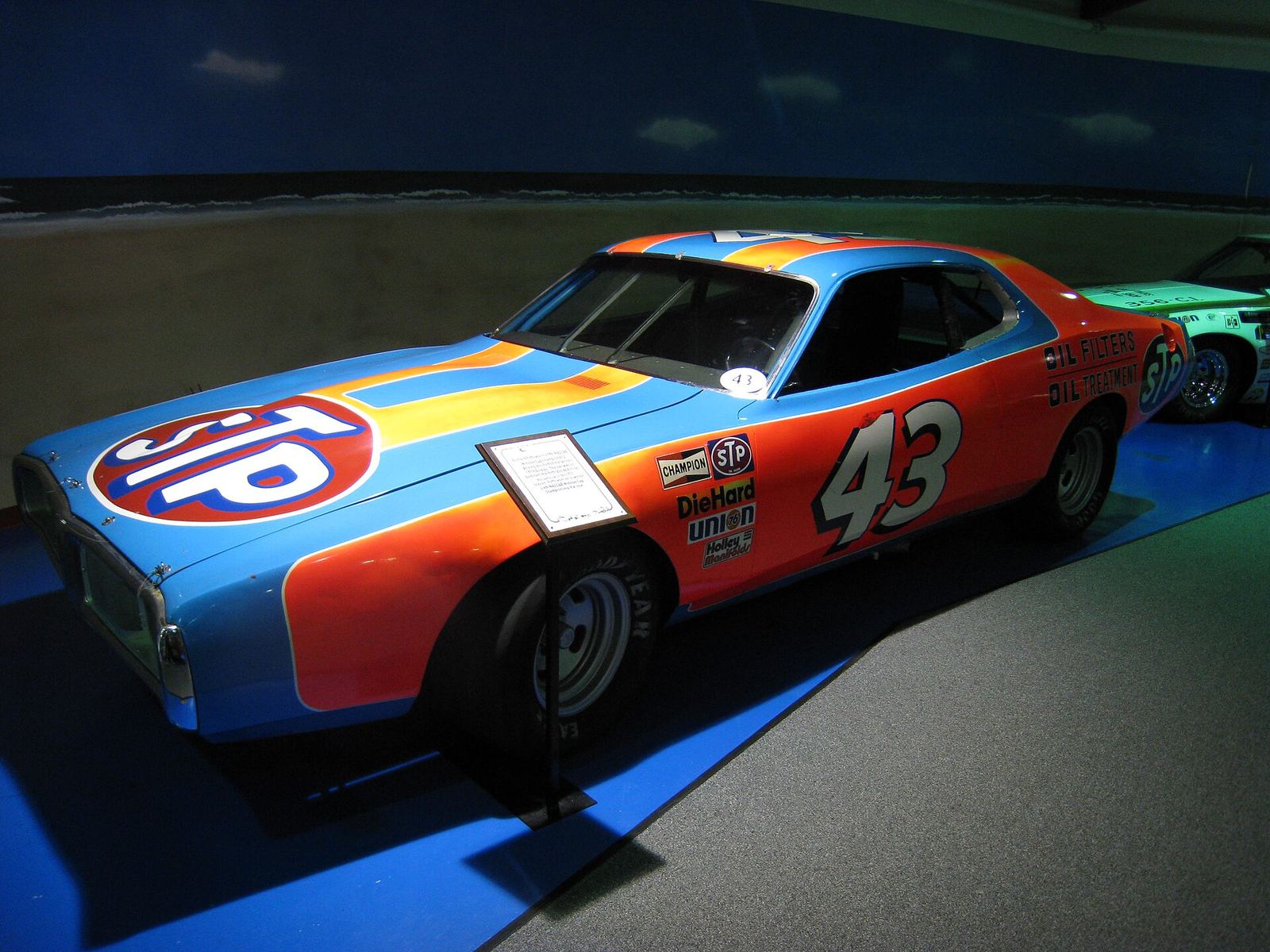
The problem was paint. Granatelli wanted the car in STP's Day-Glo red. Petty's cars were Petty Blue, and he wasn't giving that up. By Petty's account, he got up to leave. Granatelli asked him to sleep on it, and the next morning they settled on a design that used both colors.
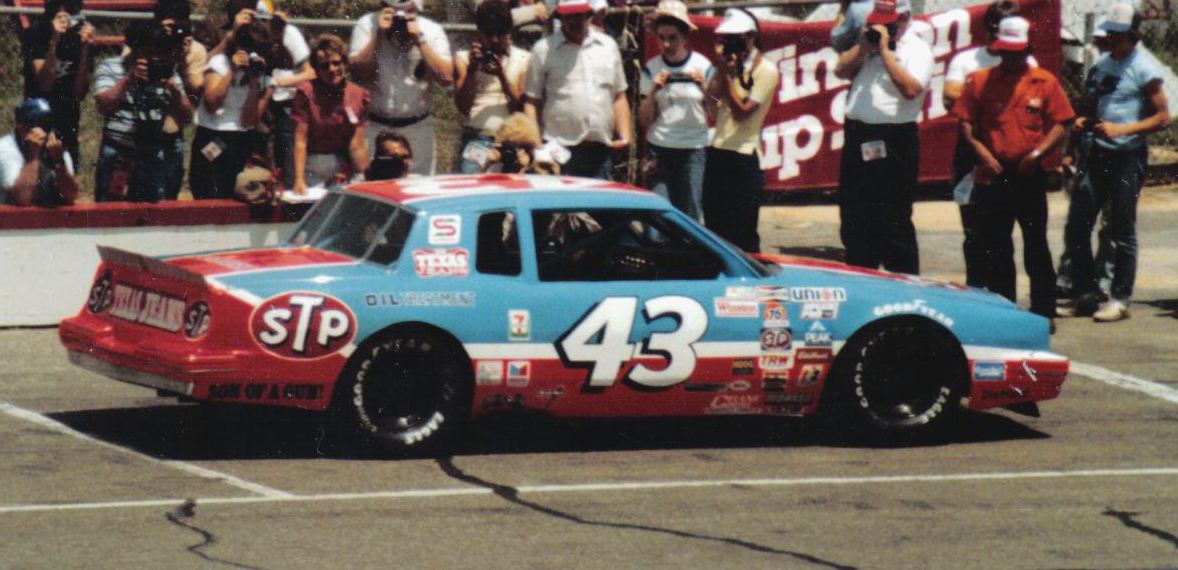
Even then, the haggling wasn't quite over. At the season opener at Riverside on January 23, 1972, the car ran mostly Petty Blue with just the STP logo in Day-Glo. Granatelli offered $50,000 more for more red, and Petty said no. He won the race anyway. The split red-and-blue scheme fans remember debuted at the Daytona 500 a few weeks later.
“Stick with me, and one day you'll be as famous as I am.”
What the money bought
STP had been shut out of NASCAR for years because Pure Oil held an exclusive deal with the sport. Petty, as comfortable under the hood as behind the wheel, was the ideal face for a car-care product. Petty himself described STP as "the first nationwide sponsor in Cup racing."
“The $250,000 gave us a squirt over everybody else, so we could have better equipment.”
It showed. Petty won the 1972 championship in his first season with STP, then added titles in 1974, 1975 and 1979.
- 1972The $250,000 deal with Andy Granatelli. Petty wins at Riverside and the two-tone car debuts at Daytona.
- 1972Championship in the first STP season.
- 1974–79Further titles in 1974, 1975 and 1979.
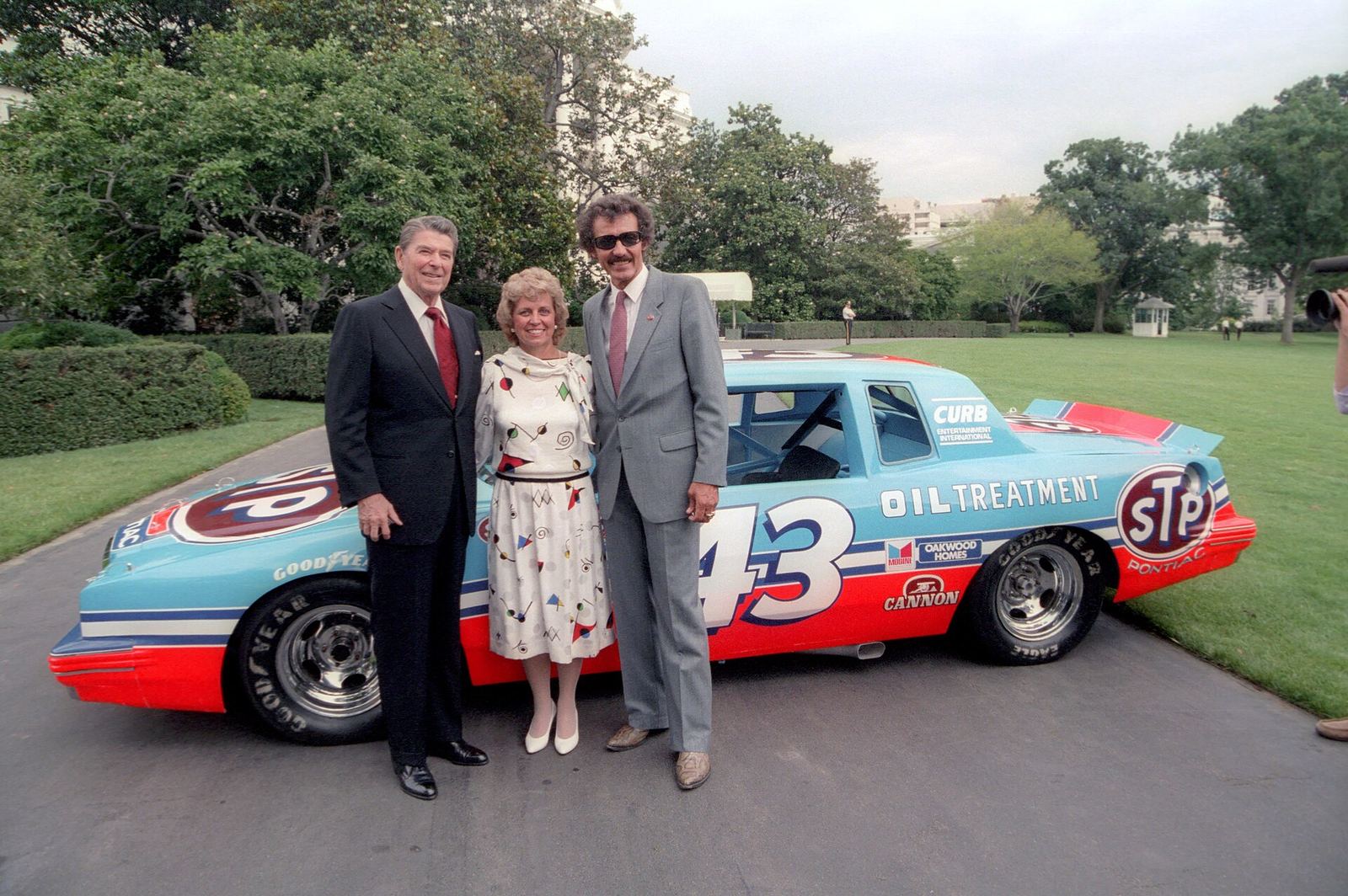
- 1984Win No. 200 at the Firecracker 400 in the No. 43 STP Pontiac, now for Mike Curb's team. STP moved with Petty.
- 1992STP is still on the car for Petty's final Cup race, at Atlanta.
- 1993–2000STP stays on the Petty Enterprises No. 43 with later drivers.
- 2000General Mills takes over: the first new primary sponsor on the No. 43 in 29 years.
- 2013STP returns to sponsor the No. 43 and the spring Martinsville race.
Why it lasted
The structure helped. It was a contract for as long as Petty drove, and it went on after that. But the bigger reason is what STP did with it. The company tied its advertising to racing, and above all to Petty. Granatelli reportedly spent around $20 million a year promoting STP through racing.
“In my opinion, it was the gold standard of NASCAR sponsorships.”
The loyalty ran both ways. When Petty drove for Mike Curb's team in 1984, STP went with him, and his 200th and final win came on July 4 that year in an STP Pontiac. And the compromise both men had been ready to walk away over became the brand. The red-and-blue No. 43 ended up more famous than either color alone.
Sources
- STP: Richard Petty and STP (Mike Harris)
- NASCAR.com: Andy Granatelli, architect of the Petty–STP deal, dies at 90 (2013)
- NBC Sports: Richard Petty Motorsports goes back to 1972 for throwback scheme (2018)
- Autoweek via Yahoo: How Petty Blue became Petty Blue (2024)
- Wikipedia: 1984 Firecracker 400
- Smithsonian National Museum of American History: Petty's 200th-win car
- The Auto Channel: General Mills becomes primary sponsor of the No. 43 (2000)
- Wikipedia: Richard Petty
- Wikipedia: STP (motor oil company)
Team, driver and company names are used to tell the history. No endorsement of SponsorLane is implied.